Markets & Applications

Author: Ellis Fowler

Selecting the right precast concrete grade for you

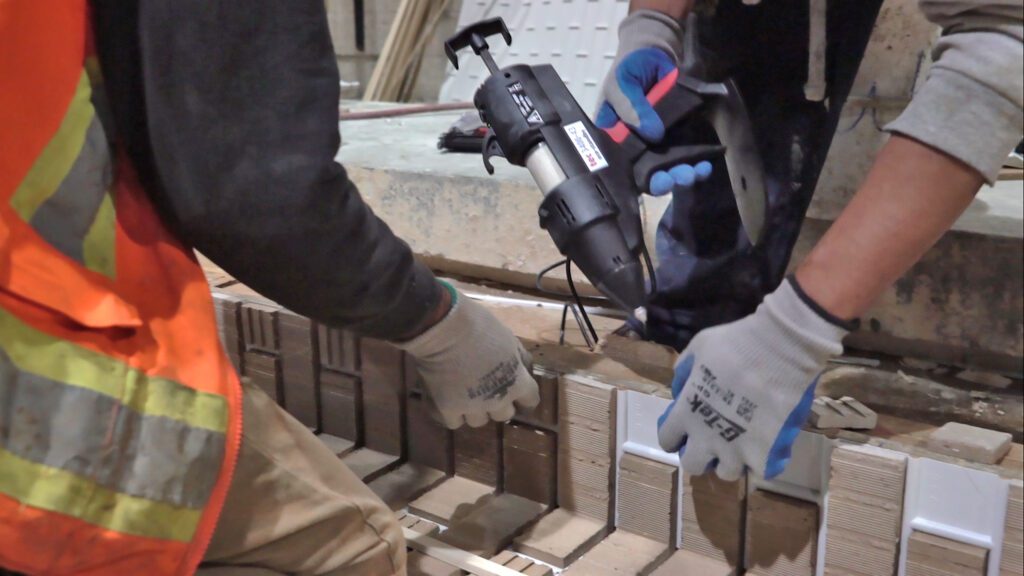
Casttec adhesives are a simple and cost-effective way to bond architectural and structural accessories to precast concrete forms. They present a faster alternative to traditional insert bonding methods such as welding, bolting, and taping.

Casttec adhesives are used globally, and need to perform across a range of temperatures and conditions. With four grades to choose from, each formulation in the casttec range is designed to complement the conditions of its use.

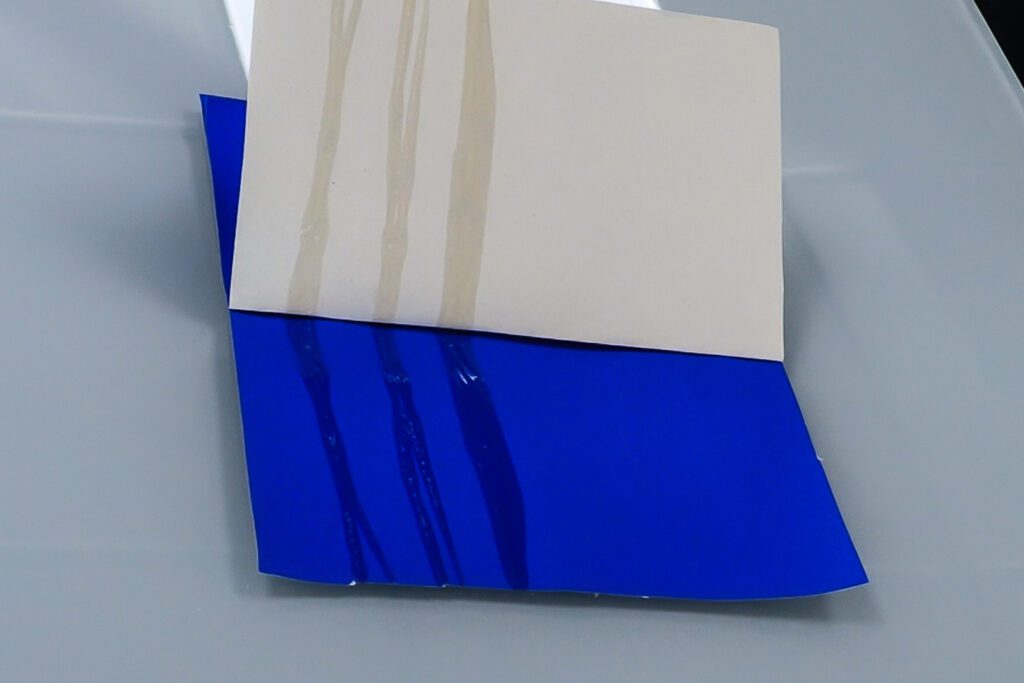
Casttec 42 is a versatile, all-purpose precast adhesive designed to offer the best all-around performance of all the casttec grades. Along with a fast delivery rate and an extended open time for accurate assembly, the adhesive crystalises after 24 hours, eventually becoming very brittle. This allows for easy cleanup after the concrete has set inside the mould. For more information on casttec 42, check out our recent AOM blog post.
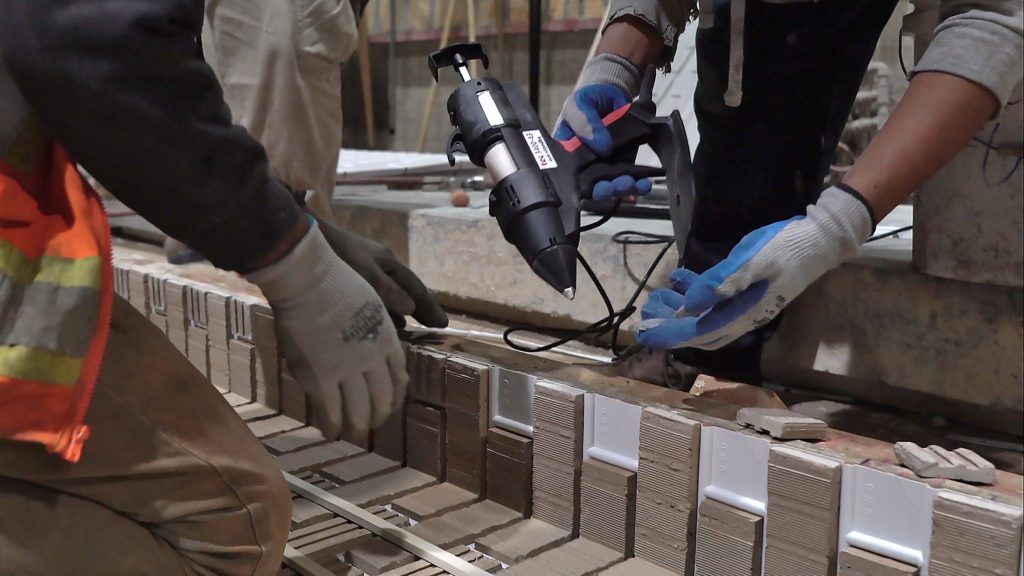
All other casttec adhesives are based on this original grade but have been formulated to offer different benefits and characteristics, depending on the environment they’re used in or the processes they have to go through.

Designed to be used in colder environments or during the winter months, Casttec 45 offers users a longer recrystallisation period. This ensures the adhesive keeps its tack and doesn’t set before the necessary processes are complete. Furthermore, the adhesive’s brittle point is around 0 °C, meaning it will retain its strong bonding capabilities at lower temperatures.

Conversely, casttec 47 has been formulated for use in warmer environments and summer months. Its chemical composition means it can be applied, allowed to set, and removed at temperatures close to 40°C, without compromising the qualities of the adhesive. Regular precast adhesives will take much longer to set and crystalise in warmer conditions due to the increased heat they’re subjected to.
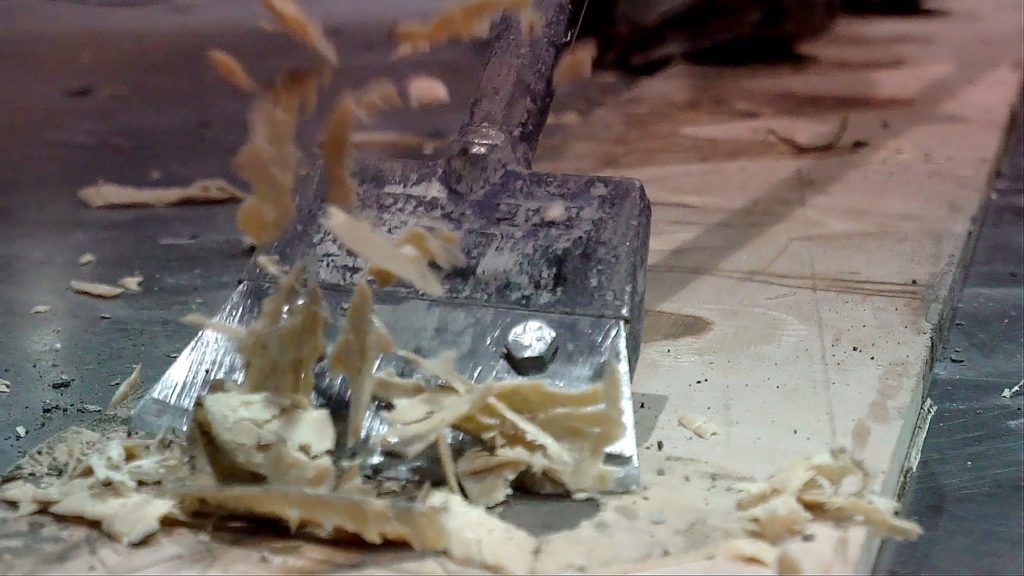
Alongside these grades for different temperatures, the casttec range also features two additional adhesives designed for longer-lasting bonds and easy removal, respectively.

Casttec 43 has been designed to have a much tougher overall bond than the other adhesives, even after crystallisation, which is a necessity if the form is used for several pour cycles. Although this grade is harder to clean up after use, its stronger bond decreases the work required in between pour cycles. This formulation also has double the open time of any other casttec adhesive, allowing much larger and more complex inserts to be glued before being bonded to the necessary substrate.

For bonding applications involving fiberglass, resin-coated, and epoxy-coated surfaces, we recommend using casttec 40. Compared to other adhesives in the casttec range, casttec 40 offers users an easier clean-up with minimal chance of damaging the bonded substrates. Once the adhesive crystalises, it becomes even more brittle than the standard adhesive, allowing easy removal without the need for excessive scraping.
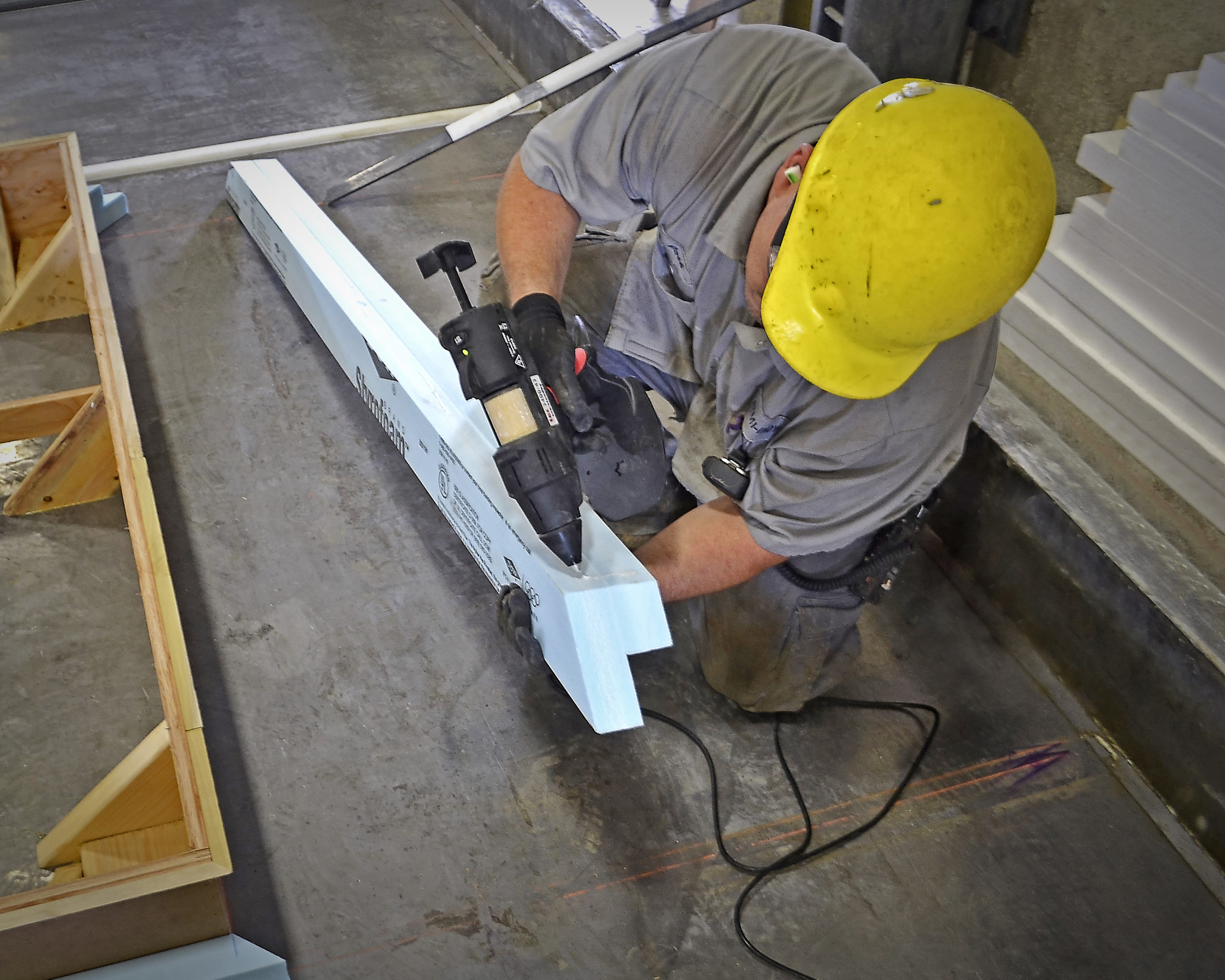
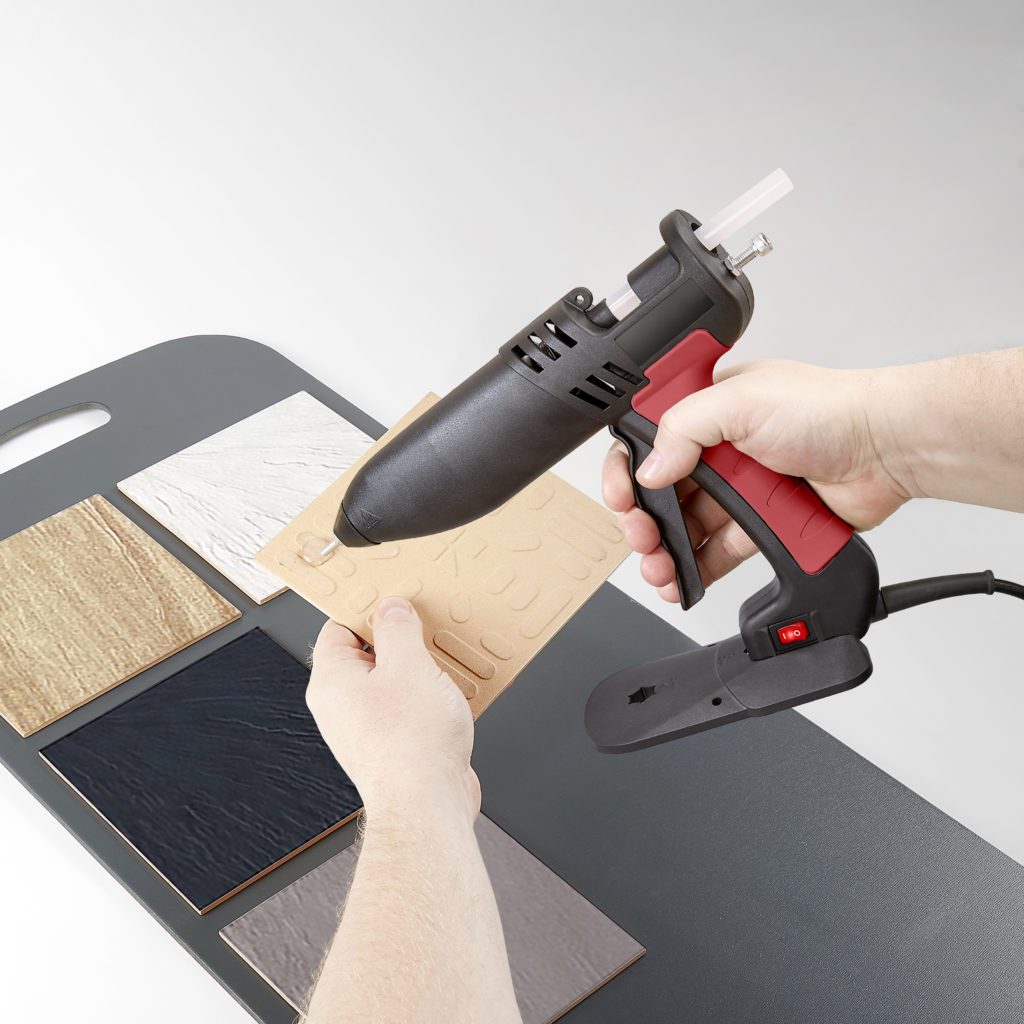
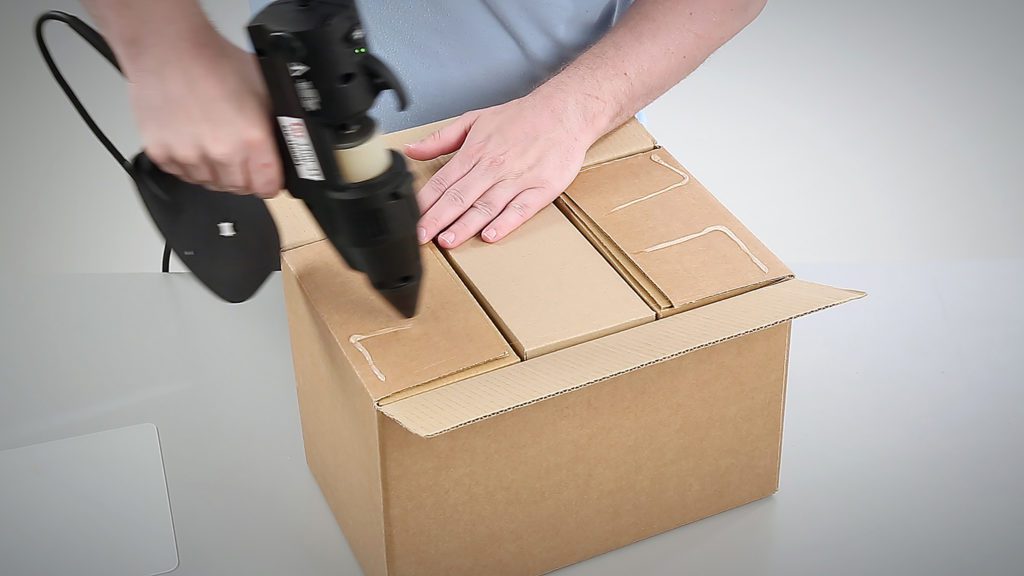
Despite their differing properties, all casttec adhesives are compatible with the tec range of 43mm bead and spray applicators. These applicators have been designed and produced in tandem with the adhesives, ensuring both the adhesive and tool deliver optimal results and the best possible performance for the user.

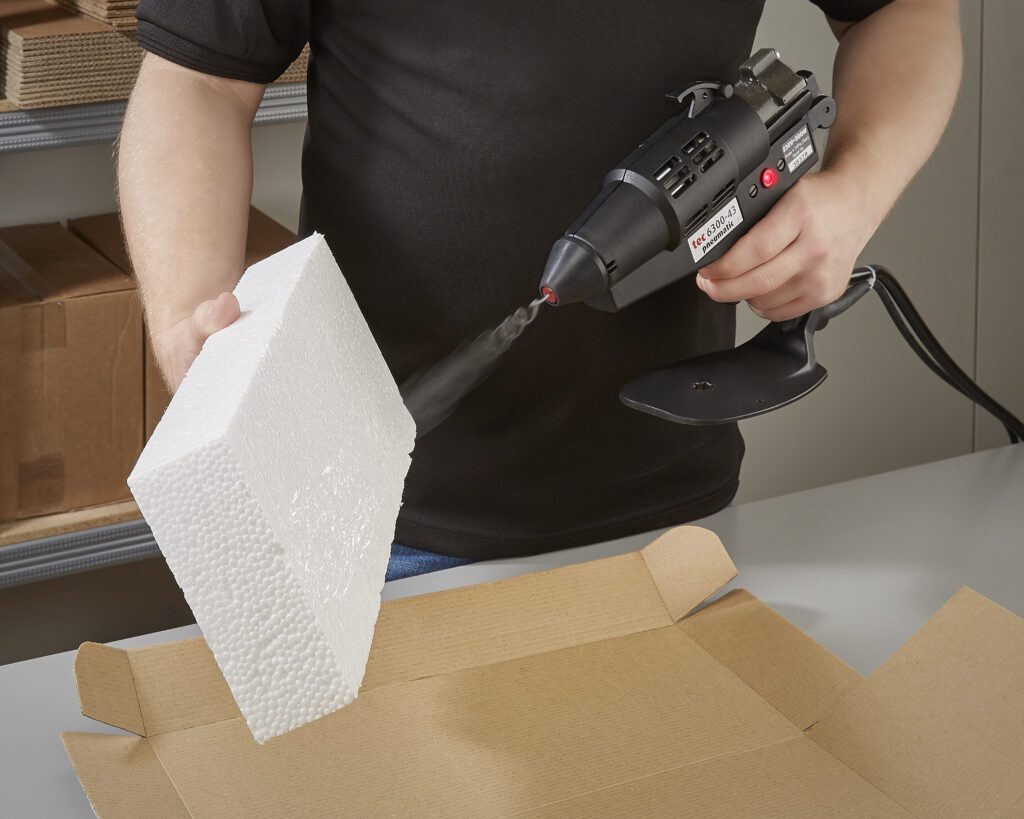
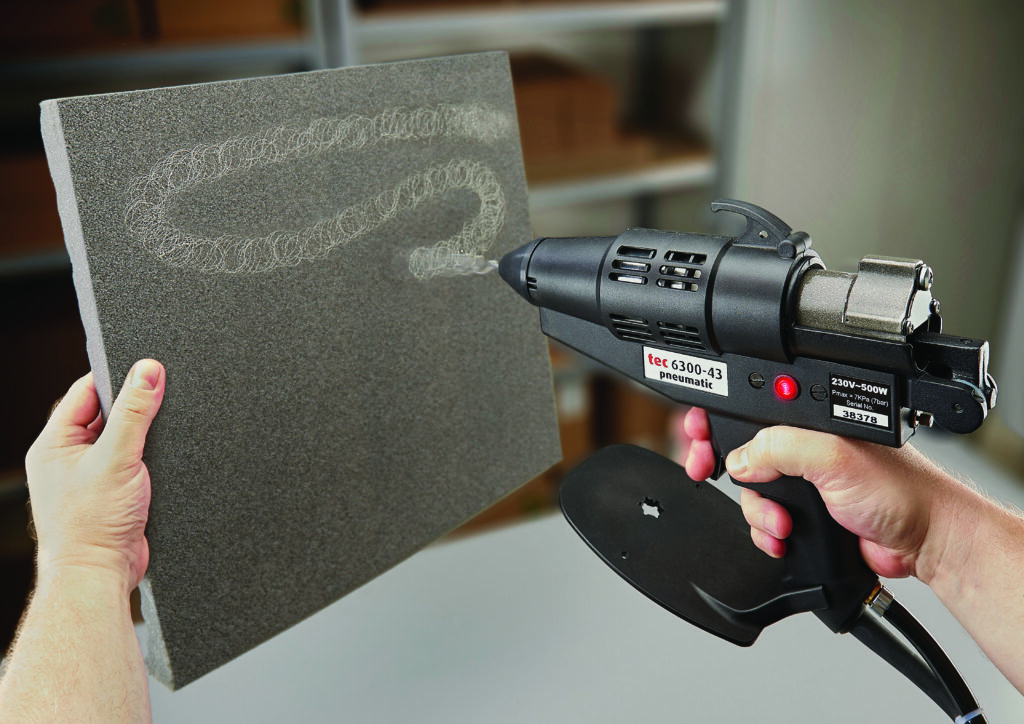
When applied with the unique spray applicators, casttec adhesives are safe to use with heat-sensitive substrates such as foam or expanded polystyrene. The thin filament extruded by the gun cools quickly while maintaining high levels of tack, ensuring no burning or melting occurs.

Casttec adhesives are also non-toxic, with no harmful solvents or VOCs given off during the application process, making them safer to work with and contributing to a cleaner environment.

For additional information on any of the casttec adhesives, or if you would like to request a sample, do not hesitate to contact our sales team.

sales@poweradhesives.com

tel: +44 (0)1268 885801
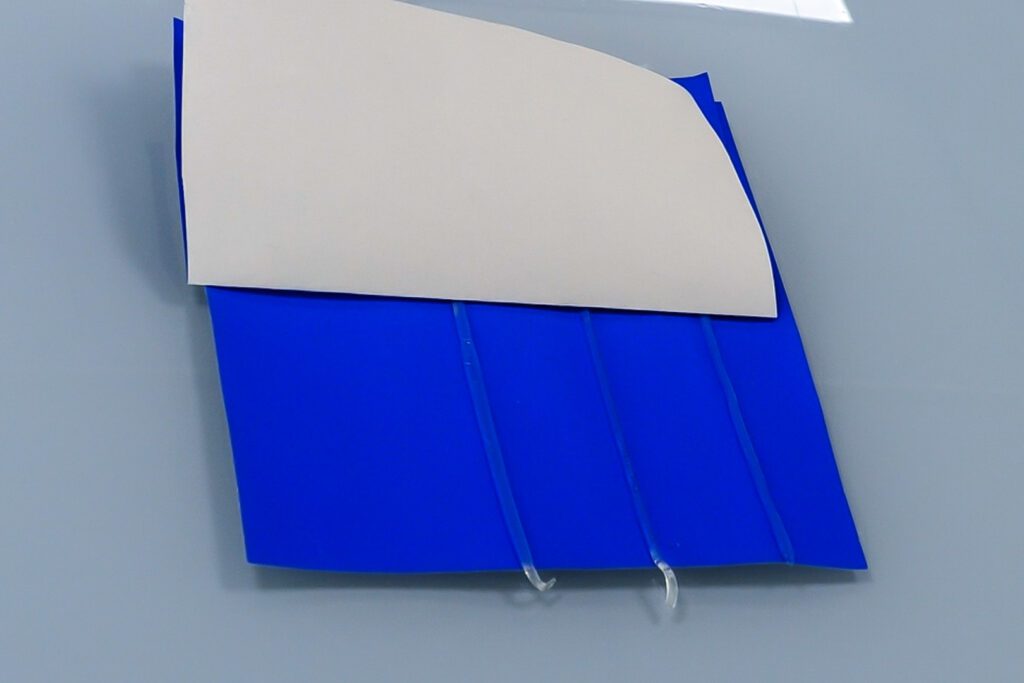
43mm hot melt adhesives: Why should you use them?

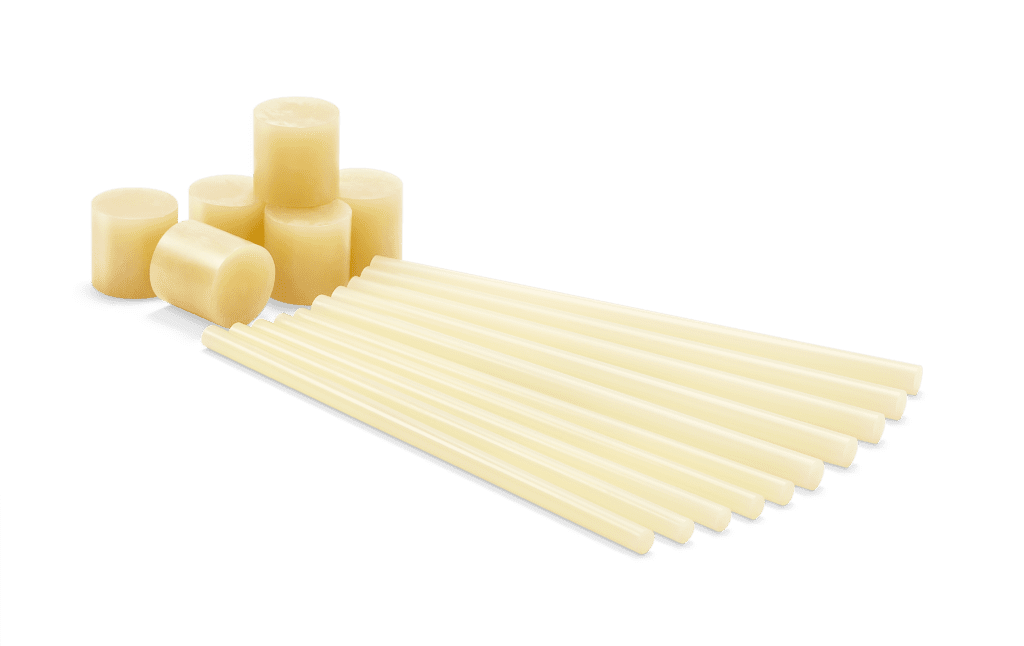
For over 40 years, Power Adhesives has been producing hot melt adhesive formulations in 43mm diameter slugs.

But why would you need 43mm slugs? What applications are they most beneficial for? And why should you choose to use 43mm adhesives over the traditional 12mm sticks?

Output

Looking to increase overall adhesive output? Then opt for a larger adhesive diameter! Certain industries and applications require a greater amount of adhesive per trigger pull, and 12mm glue guns can only provide a certain amount of adhesive, no matter how efficient the tool is.

Changing to 43mm hot melts allows the use of a bigger glue gun with more powerful heating systems and more efficient technology. This, in turn, results in a faster melt rate and increased output per kilogram.

For example, the highest output 12mm tec glue gun dispenses around 2.5kg (5.5 lbs) of adhesive per hour. Contrast that with the entry-level 43mm tec glue gun, which dispenses around 3kg (6.5 lbs) per hour, with that output increasing with each more powerful tool up to the tec 7300, which has an output of 5.25kg (11.25 lbs) per hour.

Thanks to the impressive output 43mm adhesives provide, hot melts are now commonly used in both the foundry and precast industries, both demanding applications that require constant adhesive application in large quantities.

Spraying ability

It’s not just output that’s affected, as changing to 43mm adhesives opens up the range of tec spray applicators too. These spray tools not only increase adhesive coverage, but also enable adhesive formulations to be used on heat-sensitive substrates that can burn or melt when used with a regular hot melt glue gun.

Widely used in the product assembly and construction industries, formulations such as spraytec 410 and 420 aren’t available in 12mm sticks as their intended application requires a higher volume of adhesive to speed up the overall bonding process.

New possible formulations

Depending on the raw material makeup of the adhesive, many hot melts won’t work as 12mm sticks as they won’t hold together in smaller formats. Many grades, like tecbond 263, are only available in 43mm slugs, as their chemical makeup means the final formulation is quite soft and malleable.

Attempting to produce a 12mm stick with a formulation that is too “soft” may potentially damage the equipment it’s used with. Some of these issues include stick warping, stick breakages, and adhesive meltback, which in turn affect the performance of the extruded adhesive and how it bonds.

43mm slugs counter this issue, as the greater amount of glue results in an overall stronger slug. Think of it like this: you’re able to rip a piece of paper but cannot rip an entire catalogue; the same principle applies to the hot melt.

Conclusion

43mm hot melt slugs are the ideal adhesives for high-powered industries that need a constant supply of adhesive or need access to formulations that aren’t available in traditional 12mm sticks.

Since we started producing 43mm adhesives over 40 years ago, we have been constantly developing new formulations and updating glue gun technology to make these adhesives perform at their highest potential.

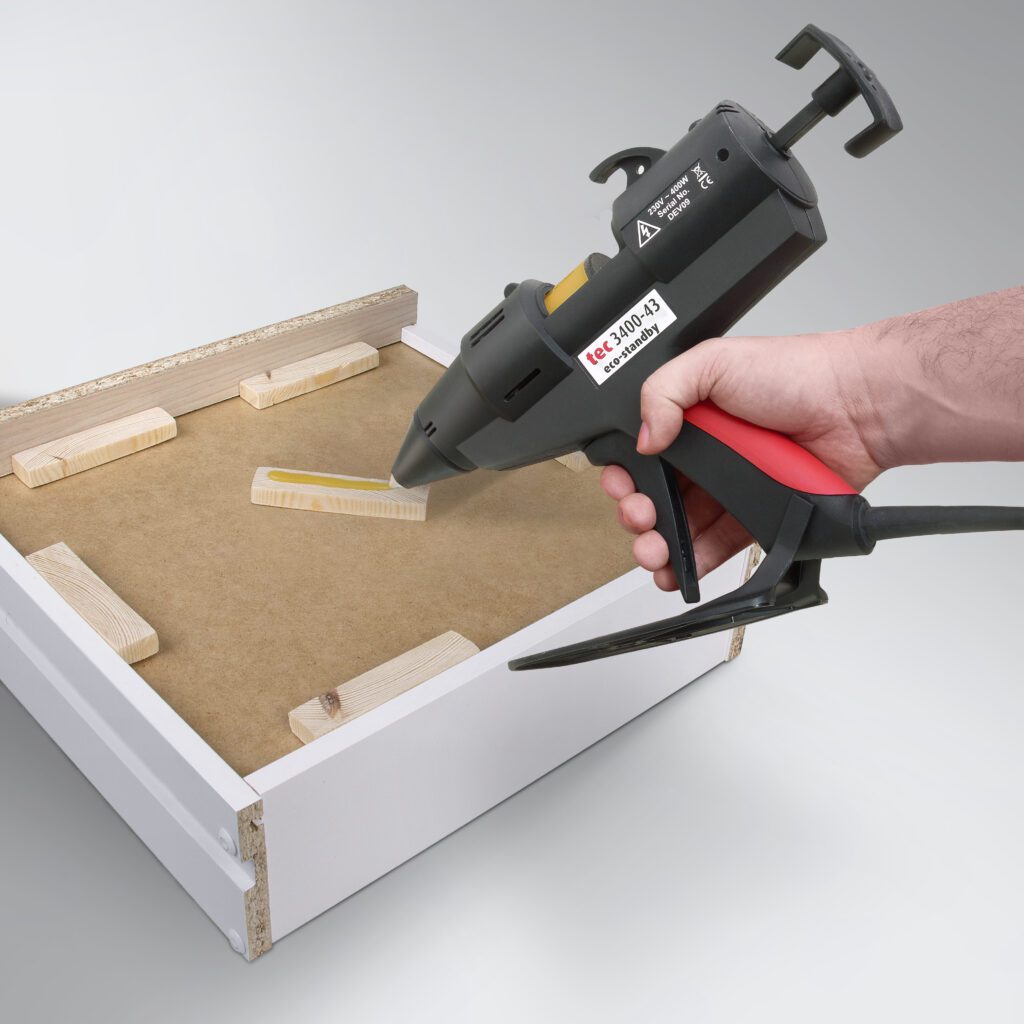
Created as part of a complete hot melt system, our 43mm adhesives work best with our range of 3000, 6000, and 7000 series of applicators. Tools such as the 3400 come with a range of temperature modules, so you can dispense glue at the exact temperature needed for the application.

If you’re looking to switch to 43mm adhesives, speak to one of our sales team about switching over and discovering the benefits for yourself.

sales@poweradhesives.com

+44 (0)1268 885 801

What to consider when choosing your hot melt adhesive grade

With hot melt adhesive technology constantly advancing and offering new solutions to a range of applications, new users need to understand what they’re looking for in their adhesive. It’s important to understand how different factors in the bonding process will affect the grade of hot melt you need. Below, we will detail some of the most important things to consider when choosing your hot melt adhesive grade.

Materials being bonded

This one is the most self-explanatory but also one of the most important factors to consider. Hot melts work by melting and then cooling, eventually solidifying to form a bond between substrates. This process uses both chemical and physical bonding, so it’s important to understand what bonding method your substrates require.

Materials like untreated wood, cardboard, paper, and fabrics will benefit from an adhesive with better physical bonding properties due to their porosity, whereas low-surface-energy materials like polyolefin plastics or glass will benefit from an adhesive with better chemical bonding properties. You can read more about chemical and physical bonding in our blog, explaining the difference between the two.

Tecbond’s hot melt adhesive range offers versatile solutions, with different grades capable of bonding almost any material, providing buyers with a reliable and adaptable option for their adhesive needs.

Working time and open time

These two go hand-in-hand, as working time will affect the open time required for the hot melt grade. Working time is the time it takes to complete the entire process of bonding materials together. Open time is the amount of time after application that the adhesive can still be manipulated.

If an adhesive’s open time is shorter than the working time, it will begin setting before compression, losing its tack and being unable to form a strong bond. This can then lead to adhesive failure. It is therefore important to find a hot melt adhesive with an open time longer than your working time.

In the packaging industry, manufacturers generally prefer shorter open times, as it means they can very quickly secure each box or carton and move on to the next one without requiring any clamping or holding. In contrast, product assembly applications may prefer a longer open time to accurately position the materials before compression.

So before purchasing a hot melt adhesive, it is important to understand how long it takes on average to bring your components together after the adhesive has been applied.

Temperature of the working environment

As mentioned previously, hot melt adhesives differ from water- and solvent-based solutions in their bonding method. With them needing to set, the temperature of the environment they’re used in will, in turn, affect their ability to set correctly.

The general rule is that the warmer the environment, the longer it will take for the bond to fully solidify, and vice versa. Using an incorrect hot melt adhesive can lead to soft bonds along with longer open times and setting speeds.

Certain hot melt grades will be designed for warmer conditions, while others are formulated to survive much lower temperatures. In many instances, this will affect their setting temperatures and softening points. This may not lead to adhesive or cohesive failure but may result in substrate movements due to the now softened bond.

Application temperature

This point is closely linked to materials being bonded. Specific substrates require a higher temperature to form a strong bond, while others require a lower temperature to avoid burning or melting.

Each hot melt formulation will have a recommended application temperature, which is linked to ideal performance. Running these hot melts at a higher or lower temperature may result in poor functionality in relation to its intended purpose.

For example, tecbond low melt grades are formulated to run at 130°C. Dispensing them at regular hot melt temperatures (around 195°C) will make them very low viscosity and compromise their bonding ability. Conversely, running a high-temperature grade such as tecbond 7784 at a lower temperature will hinder its performance as a higher heat results in more energy being available for bonding.

Adhesive size

More specific to the tecbond range of hot melts, the size of the adhesive will affect not only the formulation you can use but also the type of applicator you need.

Tecbond 43mm adhesives allow users to improve their adhesive output while allowing for varied formulations that wouldn’t work in a traditional 12mm stick. Tecbond grades 265, 266, and 267 are only available in 43mm slugs, as their raw material makeup makes them too soft in a 12 or 15mm stick format.

For more technical information about the tecbond adhesive range or to find out what tecbond grade is most suitable for your application, please contact our sales team.

sales@poweradhesives.com

+44 (0)1268 885 801

Tecbond 23 – The strong, multi-purpose product assembly adhesive

A staple of the tecbond range and one of the more popular shaped hot melt adhesives on the market, tecbond 23 is designed to offer superior bonding on the most commonly used building materials.

Tecbond 23 is an EVA-based, multi-purpose hot melt adhesive that provides excellent bonds on a wide variety of materials, including hard and soft woods, ceramics, fabrics, and many plastics.

Unlike traditional sealants and superglues, tecbond 23 won’t dry out or cure after several uses. Any unmelted glue stays in the gun and can be used the next time it is switched on. Plus, hot melts have an unlimited shelf life and generate almost no waste product.

Due to its ability to bond hardwoods so effectively, tecbond 23 is an ideal adhesive for hardwood flooring installation. Alongside bonding starter strips, skirting boards, and beading, tecbond 23 can also be used to bond transition strips between rooms.

Tecbond 23 is also ideal for temporary flooring, as the bond is much easier to remove than traditional sealants or cyanoacrylates. Tecbond 23 bonds can be softened using a heat gun, at which point the materials can be separated. Sealants and cyanoacrylates require harmful chemicals and solvent-based cleaning solutions to dissolve their bonds, a process that is not only potentially dangerous for the user but also complicated when trying to remove flooring.

Complementing its bonding ability, tecbond 23’s other unique selling point is its longer open time. After application, tecbond 23 will remain tacky for over 10 seconds under ideal conditions, therefore extending the overall working time and allowing for precise positioning of the substrates before compression. Upon compression, the adhesive will provide an almost instant hold and requires minimal compression time before a bond is made.

Part of the tecbond range of shaped adhesives, tecbond 23 is available in 12 and 15mm sticks as well as 43mm slugs and bulk slats, making it compatible with all forms of adhesive dispensing equipment. A tried and tested formulation, the adhesive works best with the range of tec applicators. These tools have been produced in partnership with tecbond adhesives to ensure consistent results and minimum effort for the user.

For more information on tecbond 23, or any other products in the tec and tecbond range, please contact our sales team.

sales@poweradhesives.com

+44 (0)1268 885 801

What are the three types of bonding failure?

In the adhesives industry, bond failures can’t always be attributed to a single factor. With several different variables involved in why a bond may fail, it is important to understand what each failure is, and what can contribute to the failure occurring.

Substrate Failure

Substrate failure occurs when the adhesive bond is so strong that it causes at least one of the substrates to fail before the adhesive does.

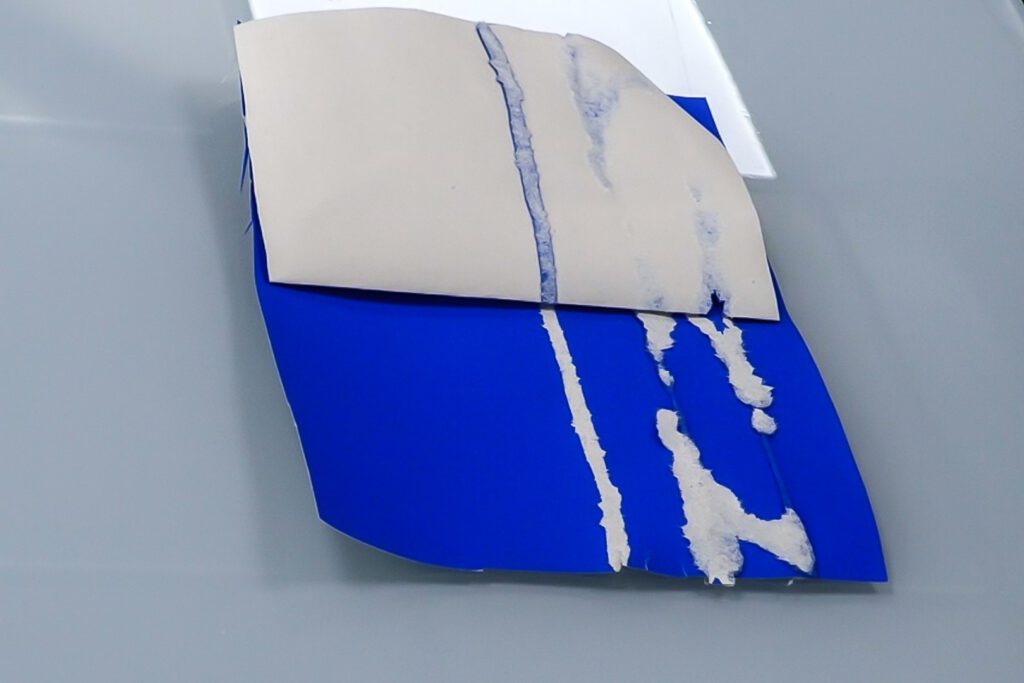
In the packaging industry, this is commonly known as a fiber tear, due to how the substrate fails (tearing of the fibers that make up the box, leaving residue on one of the bonded substrates).

Despite this phrasing, fiber tear is not always present when substrate failure occurs. Materials such as glass and many hard plastics will break or crack when under pressure, which is also classified as substrate failure.

Many people assume that substrate failure means they need a stronger adhesive to stop the substrate from breaking. In reality, the adhesive used is strong enough to hold the material it has bonded to, so any material failure cannot be fixed by the adhesive.

In most circumstances, substrate failure is the desired goal, as it proves the adhesive has worked as it should.

Cohesive Failure

Cohesive failure happens when the adhesive has bonded well to both substrates, and the failure occurs internally within the adhesive itself.

The adhesive lacks sufficient cohesion to hold together, which causes it to separate, leaving residue adhesive on both substrates.

Cohesive failure commonly occurs when a soft-setting adhesive is used on very robust substrates, such as metal and thick plastics. If the material doesn’t fail, the internal strength of the adhesive reaches its limit, and the adhesive breaks.

Adhesive failure

Adhesive failure occurs when the adhesive hasn’t properly bonded to one of the substrates.

Several variables can trigger or affect adhesive failure; some are due to user error, while others are environmental factors. These can include a low application temperature, a low surface energy of the substrate being bonded, and a long process open time.

If the application temperature is too low, the adhesive may not have the same adhesive properties as it would when applied at the optimal temperature. This also subsequently affects the adhesives’ open time. If the substrates aren’t brought together quickly enough, the hot melt will have already started setting, minimising its adhesive qualities.

Low-surface-energy substrates such as polypropylene are notoriously difficult to effectively bond, with most hot melt adhesive formulations unable to spread across their surface and form chemical bonds. For more information about the difficulties of chemical bonding, read our blog post on physical and chemical bonding.

There are certain circumstances in which adhesive failure is beneficial to the product and how it works, for example, sticky notes. The adhesive on the reverse of sticky notes is designed to fail under the pressure of being pulled. If they didn’t experience adhesive failure, sticky notes could end up tearing under the force of being pulled away from a surface.

An example of a tecbond product that relies on eventual adhesive failure is peeltec 210. This grade is designed to form a temporary bond between substrates that is easily peelable when required. It is most commonly used to affix credit cards to letters and display labels on retail products.

The tecbond range of hot melt adhesives is formulated to suit the specific needs of the user and market application. Our adhesives have been used for over 40 years across a number of industries, including packaging, construction, product assembly, flooring, automotive, and hobby and craft.

For more information about the tecbond range, including finding the right adhesive for your business, contact our sales team.

sales@poweradhesives.com

+44 (0)1268 885 801

Power Adhesives achieves additional ISO certifications

We are delighted to announce that Power Adhesives has reached another milestone in its ongoing journey to excellence in quality, safety, and environmental responsibility.

The business’ efforts have led to successful re-certification of ISO9001:2015 and new certifications of ISO14001:2021 and ISO45001:2018, giving us a combined quality system acknowledging our strides towards greater environmental sustainability, workplace safety, and top-quality products.

This is also a significant step on Power Adhesives’ journey towards gaining the globally-recognised EcoVadis accreditation.

Environmental management ISO 14001:2021

Environmental management ISO 14001:2021 is an internationally recognized standard that focuses on the environment. It helps organizations like ours implement effective environmental policies, reduce our environmental impact, and demonstrates our commitment to sustainable practices.

Occupational Health and Safety Management ISO 45001:2018

Occupational Health and Safety Management ISO 45001:2018 is all about ensuring the welfare and safety of our employees. It provides a framework for identifying, managing, and continuously improving occupational health and safety risks in the workplace to ensure a safe and healthy environment for our team.

Quality Management System ISO 9001:2015

Quality Management System ISO 9001:2015 focuses on quality management, emphasizing the importance of meeting customer expectations and delivering consistently high-quality products and services. This standard helps us maintain the quality that our customers trust and deserve.

We sincerely thank Auva, our certification agency, for their support and guidance throughout this journey. Their expertise and knowledge has played a huge role in the success of our combined quality system.

This milestone reflects the dedication and hard work of everyone at Power Adhesives and sets a clear intention for the future of the business. It is a testament to our unwavering commitment to the well-being of our employees, the environment, and our customers.

Working together with
Colourful Beginnings to support
NICUs around the country

In today’s fast-paced world, it’s easy to get caught up in the hustle and bustle of our daily lives, often overlooking the small miracles happening around us every day.

Colourful Beginnings is a UK-registered charity. They envision a world where families and women with premature and sick babies in NICUs are provided with the correct care and comfort throughout their whole journey—whether they’re within the hospital walls, after discharge, or beyond.

It’s with great pride that we, at Power Adhesives, are gifting tec 305-12 glue guns and hot melt sticks to help this incredible organisation. Colourful Beginnings will be using our guns and adhesives for decorations, sticking items together, and adding a little bit of life to their crochet animals.

The core of Colourful Beginnings’ efforts is their ‘Treasure Boxes.’ These boxes are far more than just containers; they are precious bundles of comfort and support for families when they need it most. Each ‘Treasure Box’ is thoughtfully packed with essential items that offer solace during the NICU stay. These items include blankets, crochet animals, bonding hearts, NICU journals, nourishing snacks, and so much more.

What makes Colourful Beginnings truly extraordinary is that they provide these ‘Treasure Boxes’ to families completely free of charge. Their dedication to this cause relies on the generosity of individuals who contribute their time, resources, and personal funds.

This is where the heart of their mission truly shines.

To ensure that each ‘Treasure Box’ is filled with love and care, Colourful Beginnings has started an in-person crafting group that gathers every Monday from 7:30 p.m. at The Sandmartin pub, Chafford Hundred, RM16 6PP. You can bring your own projects, knit, or crochet items from hats to cuddly octopuses, which will find a loving home within these boxes.

It’s not just about crafting; it’s about creating a space where individuals can come together, share their experiences, and form bonds that go beyond the threads they weave.

We are inspired by the dedication and selflessness shown by Colourful Beginnings, and we’re excited to support them in their mission to provide hope and comfort to families in need.

If you’re feeling generous today, please consider donating to Colourful Beginnings.

Tecbond Low Melt Adhesives – The Safer Way to Bond Heat-Sensitive Substrates

When working with hot melt adhesives, users have to be careful to choose the right formulation to match the materials being bonded. Some plastics, foams, and light fabrics are susceptible to damage, including possible melting when used with the more conventional high-temperature hot melts. Tecbond low melt adhesives are specially formulated to provide the same properties as regular hot melts while being applied at much lower temperatures.

What are low melt adhesives, and why do you need them?

Low melt adhesives are a variant of hot melt adhesives specifically designed to run at much lower temperatures. Traditional hot melts are applied between 195°C and 215°C, whereas most low melt adhesives are designed to be applied at temperatures around 130°C.

They are predominantly used in scenarios where a regular hot melt would damage the substrate to which it is trying to bond. Materials that are particularly susceptible to damage from hot melts include expanded polystyrene, packing foams, plastic films, floristry oasis, and some light fabrics.

To facilitate the need for lower application temperatures, many glue gun manufacturers will make tools specially designed for low melt adhesives. Alternatively, the more industrial glue guns may have an adjustable thermostat. These lower melt tools are more energy efficient than their hot melt variants, lowering overall energy consumption.

The tecbond low melt range

Covering a range of applications, tecbond low melt adhesives are available in three formulations. Tecbond LM42 and LM46 are arts and crafts grades, while tecbond LM41 is the premium grade for product assembly applications.

Tecbond LM42 is a white, economical, general-purpose adhesive predominantly used in the hobby, craft, and educational markets. LM42 provides good adhesion to a wide range of substrates, including paper, card, wood, foam, light gauge metals, fabrics, and floristry foams.

Tecbond LM46 is a faster-setting adhesive than LM42, designed to speed up production or manufacturing processes. Providing good adhesion to a range of substrates, including paper, card, wood, ceramic, fabric, foam, and some plastics, tecbond LM46 is a popular packaging grade thanks to its shorter open time.

Tecbond LM41 is a crystal clear, all-purpose adhesive, featuring the highest adhesion and output of any tecbond low melt grade. Its class-leading bond strength provides excellent adhesion to a range of substrates, including paper, card, wood, ceramic, fabric, foam, and some plastics. Additionally, LM41 can be pigmented to almost any colour, making it an ideal formulation for both crafting projects and product assembly applications that require an adhesive that matches the material colour.

Although the recommended application temperature of tecbond low melt adhesives is 130°C, it is possible to apply them at 160°C. This will lower the adhesive’s viscosity and increase its open time. For this reason, it is important to understand your working open time and ideal viscosity before changing the application temperature.

Low melt and temperature-adjustable tec glue guns

Complimenting the range of tecbond low melt adhesives, the tec range of 12mm, 15mm, and 43mm glue guns are the ideal tools for maximum efficiency and output. All 12mm and 15mm corded applicators from the tec 305 to the tec 810 have a low melt variant designed to maintain a constant temperature of 130°C as opposed to the 195°C of the conventional guns.

Some of the higher-spec guns, such as the tec 820 and tec 3400, have adjustable thermostats, removing the need for separate applicators. While the tec 820 has an under-barrel thermostat that can be adjusted with a screwdriver, the tec 3400 has interchangeable modules that automatically set the applicator to the required temperature.

For more information about our low melt adhesive and compatible tec applicators, please don’t hesitate to contact our helpful sales team.

sales@poweradhesives.com

+44 (0)1268 885 801

The two types of bonding – Physical and chemical

When forming bonds with adhesive, it is not as straightforward as the adhesive just sticking two materials together. Depending on the materials being bonded, the adhesive will form bonds using a combination of two different mechanisms: physical bonding and chemical bonding. While both are important, these bonds operate in different ways, each with its own unique strengths and limitations.

What is physical bonding?

Physical bonding refers to adhesive anchoring itself to substrates and forming a more physical bond, hence the name. Physical bonds form when molten adhesive is applied to a substrate and flows into the open spaces on the surface. The adhesive then cools and hardens, forming a link between the substrates. This form of bonding is the predominant bonding mechanism on porous substrates such as untreated wood, fabric, cardboard, etc.

Elements that can affect the strength of a physical bond include adhesive viscosity, open time, and the length and strength of substrate compression. Lower viscosity adhesives (such as tecbond 5) have an increased flow rate, allowing them to spread further and penetrate into the smaller spaces on the surface of the substrate, strengthening the bond even more.

The amount of compression applied to the substrates will determine how far into the open spaces the adhesive will flow. Higher viscosity adhesives may not adequately flow into the substrate when initially applied, but upon compression, they are forced into these surface gaps, forming a strong physical bond once it sets.

For adhesives with lower setting speeds, the length of compression will also affect bond strength, as the longer the substrates are held together, the longer the adhesive is forced into open spaces while it is still molten.

When it comes to open time, adhesive formulations with medium to long open times have more time to flow into and across the substrate, filling more gaps in the surface before setting.

What is chemical bonding?

Chemical bonding in hot melt adhesives involves the formation of polar or non-polar interactions between the adhesive molecules in the substrate. In other words, the adhesive will have some form of “attraction” to both substrates.

An example of a polar and non-polar interaction is water and oil. Water is a polar compound, and oil is a non-polar compound, meaning they do not chemically match and therefore separate when they come into contact with each other.

Hot melt adhesive formulations work by chemically mirroring the substrates to which they are trying to bond (polar substrates require a polar adhesive to form a bond, with non-polar substrates requiring a non-polar adhesive). In a very basic sense, the chemical compatibility forms molecular interactions between the adhesive and the substrate, resulting in chemical bonding.

Chemical bonding is a necessity on smooth, non-porous substrates or substrates that have already had their porous areas filled with another substance. For example, polypropylene is extremely tough to bond as its chemical makeup is difficult to match, while UV-varnished or printed materials have been covered in lacquer or ink, which have already filled any gaps on the material.

Hot melt adhesive molecules require energy to form their bonds. They get this energy in the form of heat. For this reason, the higher the application temperature, the more energy the molecules have to efficiently form bonds. Increasing the amount of adhesive applied to the substrate will in turn increase the number of molecules available for bonding.

No matter what bonding method is required for the substrate in question, an adhesive will always try to form both a physical and chemical bond. Some of the strongest bonds occur when the adhesive performs a mixture of both physical and chemical bonding.

For more information about the tecbond adhesive range, please speak to our dedicated sales team, who can guide you to the right adhesives and applicators for your task.

sales@poweradhesives.com

+44 (0)1268 885801

Tecbond 14 – The fast-setting packaging adhesive to save you time

Continuing with our monthly profiling of adhesives in our range, this month we’ll be looking at Tecbond 14.

Tecbond 14 is a very fast-setting packaging adhesive designed for use on most paper and board substrates. It is ideal for carton closing and tray forming, and suitable for speciality packaging, point of sale, and wrap-around cartons.

The adhesive is formulated to maximise delivery rate and sets very fast when compressed. These two features mean packages can be secured in a fraction of the time when compared to taping or stapling. There’s also no need to hold the materials in place as the bond is almost instantaneous. The bonding power of the adhesive adds structural strength to the carton, so packaging material can be thinner without compromising rigidity. The low viscosity of Tecbond 14 improves gun output, reduces stringing, and provides a close, strong bond on many types of board surfaces.

Tecbond 14 is one of our best-selling adhesives due to its ease of use, cost-effectiveness, and overall bond strength.

Lee Stegall, Power Adhesives sales manager for the United States, had the below to say on Tecbond 14:

“Tecbond 14 has been our go-to performance packing grade for almost 20 years. It is versatile, with great adhesion, and runs through the applicators smoothly. Many of our customers really appreciate the ease of use of Tecbond 14 due to the low viscosity and almost instant grab! It also boasts the claim of having over 40% of its content being sustainably sourced.”

Designed to work in tandem with our range of corded and cordless Tec glue guns, Tecbond 14 is available in 12mm and 15mm sticks, and 43mm slugs. The adhesive can be run continuously through the applicators without requiring nozzle changes or cleaning, making it a less expensive and more equipment-friendly alternative to water-based adhesives. As with many adhesives in the Tecbond range, Tecbond 14 has a near limitless shelf life if stored in a dry, cool environment, ensuring you always have adhesive when required.

Tecbond 280 – The class-leading, long open time construction adhesive

One of the best-selling adhesives in the tecbond range, tecbond 280 has revolutionised hot melt adhesives in the construction and flooring industries. Specially formulated with a much longer open and working time than most traditional hot melts, tecbond 280 pushes the boundaries on what a hot melt adhesive can achieve.

A polyolefin-based hot melt, tecbond 280 provides versatile adhesion to a number of substrates, including wood, metal, glass, ceramics, and many plastics. Predominately designed for use on both treated and untreated wood, tecbond 280 is the go-to grade for hardwood flooring installers as a starter strip bonding method. Other uses for tecbond 280 include the installation of carpet grippers, transition strips, stair nosing, and skirting boards. Tecbond 280 is also a hot melt substitute for traditional wood glues.

Tecbond 280’s extended open time of around three minutes (under ideal conditions) facilitates longer working times without the worry of the applied adhesive setting before a bond is formed. Additionally, after initial compression, tecbond 280 has a high enough tack to ensure bonds don’t creep but will not instantly set. This allows for small positional movements of the materials, a process that is necessary in some construction and product assembly applications.

Although tecbond 280 provides an ultra-strong bond once properly set, these bonds are not completely rigid or brittle. The finished bonds have some flexibility, allowing for movement of the materials (for example, thermal expansion in flooring). Other comparable adhesives, such as silicone or water-based grades, tend to be very rigid, with no room for movement once the bond fully cures.

Available in 12mm sticks and 43mm slugs, tecbond 280 works best with the range of tec bead application glue guns. When used together, adhesives and guns provide the maximum possible output with minimal effort. This is because tec glue guns and tecbond adhesives are designed and manufactured as a system and provide optimal results when used together.

With its extremely long shelf life and clean-running capabilities, tecbond 280 creates practically zero waste. Tecbond adhesive formulations are non-toxic and don’t require any mixing before use. Any unused glue left in the applicator is simply remelted the next time the gun is switched on.

For more information about tecbond 280 or any other Power Adhesives products, please don’t hesitate to contact our sales team.


Tecbond 213 – The economical all-purpose adhesive

When working with hot melts, there are many specialised grades that focus on specific bonding requirements or are formulated to meet an industry standard. Tecbond 213, however, is the best-selling general-purpose grade thanks to its ability to provide solid, long-lasting bonds on a wide variety of materials while also being extremely cost-effective.

What is tecbond 213?

Tecbond 213 is an EVA-based general-purpose hot melt adhesive designed to bond substrates commonly used in product assembly applications. Excellent bonds can be achieved on ceramics, rigid PVC, hard and soft woods, fabric, and many plastics. Outside of product assembly, tecbond 213 is also used in flooring and woodworking, thanks to its strong bonding capabilities.

Why choose tecbond 213?

One of the characteristics of tecbond 213 that makes it a go-to grade for product assembly is its high molten tack. A higher molten tack is most beneficial when the bond lacks compression, for example, when bonding to walls or ceilings. Despite the downward force of gravity pulling against the bond, tecbond 213’s tack ensures there’s no sagging. This high tack also ensures an almost instant hold and negates the need for clamping, speeding up production processes.

In product assembly applications, it is common for the adhesive to be applied to one substrate and not immediately introduced to the second substrate. To facilitate these extended periods between applying adhesive and fixing components together, tecbond 213 has ample open time, removing the worry of adhesive setting before the bond is made.

Used in a wide variety of applications, tecbond 213 has good heat resistance to ensure bonds don’t creep under increased temperatures. Unlike cheaper adhesives, it won’t fail during product transportation due to the changes in temperature and bond strain attributed to constant movement.

Tecbond 213 is available in 12mm and 15mm sticks and 43mm slugs, making it compatible with the entire range of tec hot melt glue applicators. Using tecbond 213 with a tec applicator ensures the highest possible output with minimal downtime and reduced stringing from the nozzle.

Non-toxic and free from harmful chemicals, tecbond 213 is safe to handle and use. When stored out of direct sunlight, tecbond 213 has a near-infinite shelf life with almost no waste product. Any adhesive left in the applicator upon job completion is simply remelted the next time the tool is switched on.

For more information about tecbond 213 or any other adhesive in the tecbond range, please contact our sales team.

sales@poweradhesives.com

+44 (0)1268885801